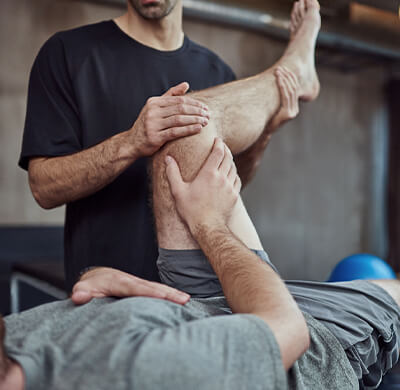
Occupational physical therapy helps workers recover from lifting-related spine injuries through targeted exercises, pain management, and work simulation, ensuring a safe return to work.
In short,
- Targeted exercises and pain management help workers recover from lifting-related back strains.
- Specialized rehabilitation bridges the gap between medical treatment and safe job duties.
- Progressive loading rebuilds spine strength to prevent future workplace injuries.
Physical Therapy for Spine Injuries
Physical therapy for spine rehabilitation treats lifting injuries and lumbar strains sustained at work. When workers experience lower back trauma, specialized movement science restores function, reducing pain and rebuilding core stability.
Employers experience significant benefits when injured team members receive specialized physical therapy. These targeted programs help reduce overall absenteeism, lower workers’ compensation costs, and support a much safer reintegration into the workplace.
By investing in proper rehabilitation, companies can maintain productivity while showing employees that their health and safety are top priorities.
According to the Cleveland Clinic, physical therapists focus on treating the root cause of mechanical pain through customized movement plans. They teach workers how to move safely, lift with proper form, and rebuild the core strength needed for their specific job tasks.
This specialized care helps individuals regain their physical independence and reduces the fear of re-injury on the job.
Understanding Lumbar Strain from Lifting
According to the National Institutes of Health (NIH), lifting heavy objects incorrectly or overexerting yourself on the job is one of the most common causes of lower back injuries.
When the spine is subjected to sudden or excessive force, the muscles and ligaments in the lower back can stretch too far or tear. This type of injury is known medically as a lumbar strain or sprain.
Following the initial injury, the body often tries to protect the spine by tightening the surrounding muscles. This natural defense mechanism triggers painful muscle spasms that can lock up your back. These spasms can severely restrict your daily movements, making simple tasks like bending over or sitting down incredibly difficult.
The Role of Occupational Rehabilitation
Occupational rehabilitation is a specialized form of therapy designed to bridge the gap between initial medical recovery and returning to work. Rather than focusing only on general fitness, therapists design customized exercises that mimic your actual work tasks, such as lifting, reaching, or standing for long periods.
A key part of this process involves close collaboration between the rehabilitation team, the injured worker, and the employer. Together, they work to establish a safe, gradual transition plan back into the workplace.
This often includes recommending temporary modified duties or light-duty tasks that prevent re-injury while keeping you active.
Compassionate Care for Injured Workers
Compassionate physical therapy for spine injuries focuses on gentle pain management strategies that help you manage discomfort without relying solely on medication.
By reducing pain through targeted movement, you can begin to rebuild your physical confidence and overcome the fear of moving your back.
Patient education is a vital component of a successful recovery plan. Your therapist will teach you the fundamentals of proper spine mechanics, showing you how to lift, bend, and twist safely.
This knowledge empowers you to take an active role in your own healing process and helps protect your back from future injuries.
How It Works: The Science of Spine Recovery
Physical therapy guides your recovery using science-based techniques that promote safe, effective healing.
Targeted exercises boost blood flow, deliver essential nutrients to injured tissues, and help strained muscles regain strength and flexibility.
By retraining your deep core and back muscles, physical therapy helps them function as a natural brace, providing crucial support and protection for your spine and discs.
Your therapist follows evidence-based clinical guidelines to personalize your care plan, continually adapting exercises based on your pain levels, mobility, and real-time feedback.
The Treatment Process for Physical Therapy for Spine
Treatment begins with an evaluation by an occupational physical therapist assessing range of motion, strength, and workplace requirements. Clinicians then create a customized rehabilitation roadmap progressing from pain reduction to job-simulation tasks.
- Initial Comprehensive Evaluation: Therapists review the injury mechanism and measure baseline flexibility and lifting capacity to shape the rehabilitation strategy based on specific job demands.
- Phase One: Pain Management and Mobility: Gentle modalities calm acute inflammation and muscle spasms, decompression techniques relieve pressure on lumbar nerves, and early mobility exercises prevent prolonged joint stiffness.
- Phase Two: Strengthening and Conditioning: Progressive resistance training rebuilds core and leg muscle mass, low-impact cardiovascular training improves stamina, and flexibility routines target tight hip flexors and hamstrings.
- Phase Three: Work Simulation Training: Patients practice proper lifting mechanics using lightweight ergonomic boxes, while job-specific tasks replicate bending, twisting, and reaching to ensure endurance for a full shift.
Benefits and Effectiveness of Treatment
Active, structured rehabilitation outperforms passive rest, delivering physiological and economic advantages. Employees regain independence and earning capacity, while employers experience fewer recurrent injuries and lower workers’ compensation costs.
- Physiological and Functional Gains: Patients experience reduced lower back pain intensity, improved lifting capacity, and enhanced body awareness that prevents future lumbar strain.
- Return-to-Work Advantages: Individually tailored programs support a safe and timely return to work, while teaching workers practical ergonomic strategies that minimize long-term disability risks.
- Employer and Organizational Benefits: Corporate operations benefit from minimized lost productivity and lower healthcare expenditures, all while fostering a workplace culture that prioritizes employee health and safety.
Risks, Challenges, and Considerations
Pushing exercise intensity too fast can exacerbate lumbar inflammation or trigger spasms. Open communication between patient and therapist helps calibrate exercise intensity and overcome psychological barriers like fear-avoidance.
- Managing Temporary Soreness: Therapists use rest days and modified routines to safely distinguish normal muscle fatigue from harmful pain.
- Overcoming Psychological Barriers: Gradual exposure therapy helps patients build confidence and move past the fear of re-injury.
- Navigating Workplace Complexities: Coordinating with insurers and employers on modified duty restrictions ensures safe, unhurried recovery.
Recovery, Aftercare, and Injury Prevention
Sustainable recovery relies on bringing healthy movement habits into your daily routine. Ongoing exercise programs keep your core muscles strong long after your formal therapy ends.
- Home Exercise and Maintenance Programs: Daily stretching and biweekly core workouts maintain flexibility and prevent minor stiffness.
- Workplace Ergonomics and Safety: Bending at the knees and utilizing mechanical lifting aids protects your spine from daily strain.
- Long-Term Health Partnership: Periodic specialist check-ins and ongoing safety education help prevent future workplace injuries.
Frequently Asked Questions (FAQ)
Recovering from a work-related back injury can bring up many questions about treatment timelines, safe movements, and returning to job duties. Here are answers to common questions about physical therapy for spine injuries and lumbar strains:
How does physical therapy help a lumbar strain from heavy lifting?
Physical therapy targets the root cause of mechanical pain by reducing muscle spasms, calming acute inflammation, and retraining deep core and back muscles. This restores flexibility and functional strength so your spine acts as a natural brace against future strains.
Why is active physical therapy better than passive bed rest for spine injuries?
Active rehabilitation outperforms passive rest by boosting blood flow to deliver essential nutrients to injured tissues. Moving safely rebuilds core stability, prevents joint stiffness, and prevents fear-avoidance behaviors, whereas prolonged bed rest often weakens muscles and delays recovery.
What is work simulation training in occupational physical therapy?
Work simulation training is an advanced phase of physical therapy for the spine where patients practice job-specific tasks like lifting, reaching, bending, and twisting using ergonomic equipment. This rebuilds physical endurance and verifies you can safely meet your job’s physical demands before returning to work.
How long does physical therapy for a spine injury typically take?
Care plans are personalized based on the severity of the lumbar strain and the demands of your job. Treatment progresses through distinct phases—from initial pain relief to strengthening and job simulation—and your therapist continuously adjusts the timeline based on your pain levels and mobility gains.
Schedule Physical Therapy for Spine Injuries in Grand Junction, CO
Recovering from lifting injuries and lumbar strain is possible with expert physical therapy for spine injuries and a personalized treatment plan. By rebuilding your body’s strength, practicing safe movement patterns, and simulating real job tasks, you’re not just healing—you’re preparing for a safer, more productive return to work.
At Work Partners Occupational Health, our experienced team is dedicated to helping workers regain their independence and maintain long-term spine health. Whether you’re navigating a new injury or seeking to prevent future problems, we’re here to support your recovery every step of the way.
Call Work Partners Occupational Health at (970) 241-5585 or use our online appointment request form to schedule your evaluation and start your journey toward full work readiness today.