When you’re in a hurt at work workers’ comp situation, there are immediate actions you must take to protect your health and your rights. In short,
- Prioritize your safety and seek immediate medical care. Your health is always the absolute priority.
- Report your injury to your employer immediately. Delaying this step can complicate or jeopardize your claim.
- Document everything thoroughly. A detailed record of the incident and your symptoms is your most powerful tool.
An on-the-job injury can be overwhelming, leaving you concerned about your health, recovery, and financial stability. You’re not alone in this experience. The U.S. Bureau of Labor Statistics recorded over 2 million workplace injuries and illnesses last year.
The workers’ compensation system is designed to provide necessary medical care and wage replacement, but navigating the process requires prompt, informed action.
If you find yourself in a hurt at work workers’ comp situation, understanding the critical first steps is essential to protect both your well-being and your rights. This guide will walk you through exactly what you need to do immediately following a workplace injury.
Immediate Actions to Take After an Injury
Your response in the minutes and hours following an injury is paramount. Prioritize your physical health and preserve your right to compensation by following these foundational steps.
1. Prioritize Your Safety and Health
Before doing anything else, ensure you are in a safe environment.
- Move away from danger: If the area remains hazardous due to a chemical spill, unstable machinery, or electrical issues, move to a safe location immediately to prevent further harm.
- Seek immediate medical attention for all injuries: Even seemingly minor injuries can have delayed symptoms, and postponing care can complicate your claim, so it’s vital to seek prompt medical attention.
When to Seek Emergency Care
Certain injuries require immediate, life-saving medical intervention. Call 911 or go to the nearest emergency room if you experience any of the following symptoms:
- Severe pain, particularly in the chest, head, or abdomen
- Difficulty breathing or sudden shortness of breath
- Signs of a heart attack or stroke, such as chest pressure, sudden weakness, or slurred speech
- Deep cuts or uncontrolled bleeding
- Suspected broken bones or major joint dislocations
- Head trauma, especially if accompanied by a loss of consciousness, confusion, or vomiting
2. Report the Injury to Your Employer
You must report your injury to your employer immediately, ideally on the same day the incident occurs. The Occupational Safety and Health Administration (OSHA) emphasizes prompt reporting as a key worker right and responsibility.
- Notify your supervisor: Inform your direct supervisor, manager, or HR representative about the injury, and follow up with a written notification, such as an email, to create a time-stamped record.
- Be clear and factual: Clearly state that you were injured at work, providing the exact date, time, location, and a factual description of how the injury occurred.
- Document your report: Keep a copy of any written reports and note the date, time, and name of the person you spoke with about the incident.
3. Document the Incident
Thorough documentation is vital for a smooth claim process. Start recording details from the moment the injury occurs.
- Take photographs: If safe, photograph the accident scene, involved equipment, and your visible injuries as they progress.
- Identify witnesses: Write down the names and contact information of any coworkers who saw the accident happen.
- Start a personal recovery log: Track your daily pain levels, symptoms, medical appointments, and any difficulties with daily activities in a notebook or digital file.
Navigating the Hurt at Work Workers’ Comp Process
After reporting the incident and securing initial medical care, the formal administrative process begins. Taking the right steps here ensures your medical bills and lost wages are covered.
Filing Your Hurt at Work Workers’ Comp Claim
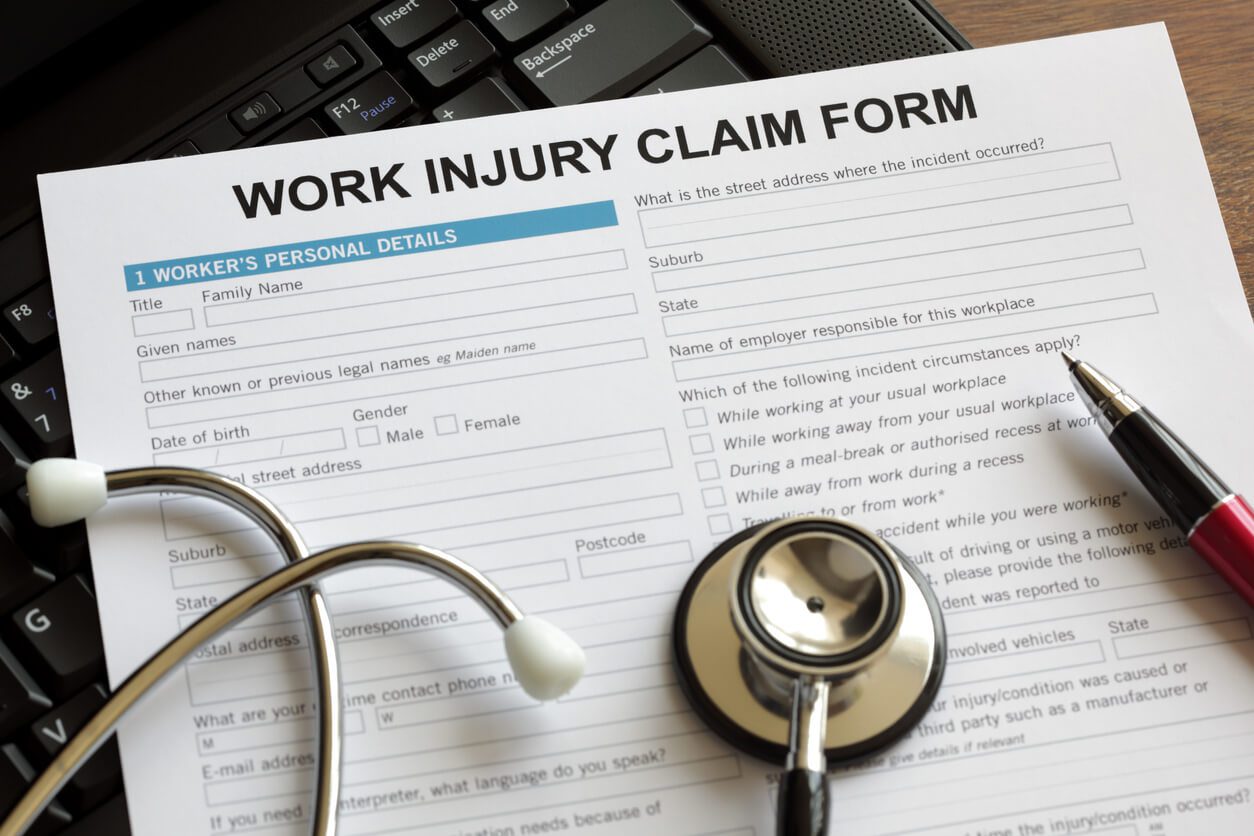
Your employer is legally obligated to provide you with the necessary claim paperwork shortly after you report the injury.
- Complete claim forms accurately: Fill out your state’s workers’ compensation claim form with exact, truthful details.
- Meet strict deadlines: Be aware that each state enforces strict filing deadlines, and missing one can jeopardize your right to benefits.
- Keep personal copies: Always make a secure copy of any document for your personal records before submitting it.
Communicating with the Insurance Adjuster
A claims adjuster from your employer’s workers’ compensation insurance company will be assigned to manage your case. They are responsible for authorizing treatments and issuing payments.
- Be cooperative and honest: When the adjuster contacts you, remain polite and professional, sticking strictly to the facts of your injury without exaggerating or downplaying your symptoms.
- Consider legal counsel if necessary: You may want to consult an experienced attorney if your claim is denied, the insurer disputes a prescribed treatment, or your injury results in permanent disability.
Focusing on Your Medical Care and Recovery
Your physical recovery is the central focus of the workers’ compensation system. Proper medical management gets you back to your life and work safely.
Initial and Ongoing Medical Treatment
Your first medical visit establishes your diagnosis and sets the course for your treatment plan.
- See the right doctor: Some states require you to see a doctor selected by your employer or from a specific Medical Provider Network (MPN), so to ensure your care is covered, check your local regulations or ask your HR department.
- Be thorough with your provider: Clearly explain to the doctor that your injury is work-related, detailing how the accident happened and describing all symptoms, as this initial report is the cornerstone of your claim.
- Follow your treatment plan: Adhere strictly to your doctor’s prescribed recovery plan, including medications, physical therapy, and activity restrictions, as non-compliance may result in a loss of benefits.
- Communicate with your medical team: Keep your doctor and therapists informed about your progress, including whether a treatment is working or if new symptoms appear.
Key Questions to Ask Your Healthcare Provider
Be an active participant in your recovery. At your medical appointments, ensure you fully understand your condition by asking the following questions:
- “What is my specific, official diagnosis?”
- “What is the recommended treatment plan, and what are our goals?”
- “What are my exact work restrictions, and how long might they last?”
- “What is the anticipated timeline for my full recovery?”
- “Are there potential long-term effects I should be aware of?”
- “Who should I contact immediately if my symptoms suddenly worsen?”
Taking these informed steps helps you navigate the complexities of a hurt-at-work workers’ comp claim so you can focus entirely on getting better.
Frequently Asked Questions (FAQ)
Navigating the workers’ compensation system can be confusing, so we’ve compiled answers to some common hurt at work workers’ comp questions to help you understand your options and what to do next.
What types of work-related injuries do you treat?
We specialize in treating a wide range of work-related injuries, including sprains, fractures, cuts, burns, repetitive motion injuries, and more. Our team is equipped to evaluate and treat injuries efficiently while focusing on your recovery and return to work.
Do you accept workers’ compensation insurance?
Yes, we accept workers’ compensation insurance and work closely with insurance carriers to ensure a smooth claims process. If you have questions about your coverage, feel free to contact us for more information.
Can you provide documentation for my employer?
Yes, we provide detailed documentation and progress reports to both you and your employer as needed. Our goal is to facilitate clear communication and assist with a smooth transition back to work.
Where Can I Find Help With Hurt at Work Workers’ Comp Claims in Grand Junction, CO?
At WorkPartners Occupational Health, we specialize in hurt at work workers’ comp services in Grand Junction, CO. We understand the complexities of navigating a work-related injury and are dedicated to providing the specialized care needed for a prompt recovery.
Our experienced providers focus on balancing the needs of the employee, the employer, and the insurance carrier to facilitate a smooth and efficient process.
If you have sustained a work-related injury, don’t wait to get the care you need. Contact WorkPartners Occupational Health today at (970) 241-5585 or use our online appointment request form.