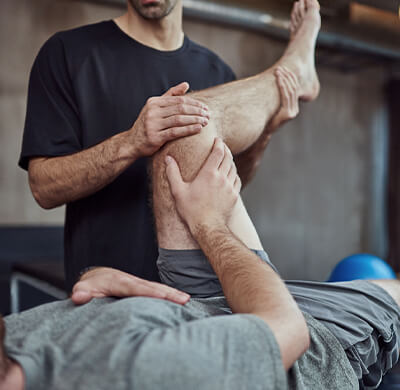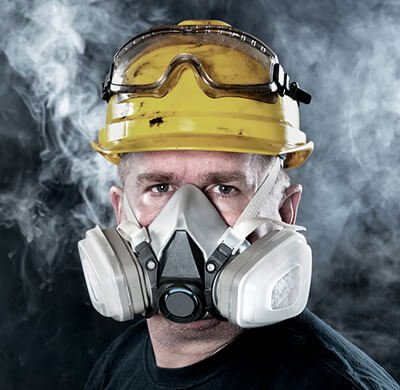
Occupational health clinics provide specialized medical care to help employees stay safe at work and recover quickly if an injury happens.
In short,
- Clinics treat acute injuries like falls, strains, and chemical exposures that happen on the job.
- They manage chronic issues like carpal tunnel and lower back pain from repetitive tasks.
- Staff are specially trained in workplace safety guidelines, workers’ compensation, and employer compliance.
Occupational Health Services
An occupational health clinic near you plays a vital role in supporting regulatory safety compliance and promoting overall employee wellness. They offer a comprehensive range of services, starting with immediate medical care for on-the-job injuries and extending to routine preventive screenings.
By partnering with employers, these clinics help design wellness programs, conduct physical exams, and provide vaccinations to keep the workforce healthy and productive.
Defining Occupational Health
Occupational health is a specialized branch of medicine entirely dedicated to the health, safety, and overall well-being of employees in the workplace. This field focuses on both physical and mental wellness, ensuring that work environments are designed to support human health.
According to MedlinePlus, these services play a critical role in preventing work-related illnesses and injuries before they can occur. By bridging the gap between clinical medicine and daily workplace safety, occupational health professionals help identify and eliminate potential hazards on the job.
This collaborative approach ensures that employees receive targeted medical care while employers maintain a safe, productive, and compliant working environment.
The Role Of Specialized Clinics
Specialized occupational health clinics are dedicated facilities designed to manage work-related injuries, sudden illnesses, and routine medical examinations.
An occupational health clinic near you provides a wide range of essential services tailored to the specific physical demands of each job. These services include:
- Pre-employment physicals
- Drug and alcohol screenings
- Ongoing wellness checks
These facilities are staffed by multidisciplinary teams of doctors, nurses, and physical therapists who are deeply trained in OSHA guidelines and state workers’ compensation protocols. This specialized training allows them to act as a central hub for regulatory compliance and health maintenance.
Who Benefits
A dedicated occupational health partner, like WorkPartners Occupational Health provides significant advantages for every stakeholder involved in workplace safety.
- For Employers: Clinics help maintain safety, compliance, and reduce missed workdays and workers’ comp costs.
- For Employees: Workers get fast, targeted care from providers familiar with job demands for a safe return to work.
- For Case Managers & HR: Clear communication and thorough documentation streamline claims and keep everyone informed.
Common Causes For Workplace Medical Visits
From sudden injuries to routine screenings, employees can visit an occupational health clinic near them for a wide range of health and safety needs.
Acute Workplace Injuries
Acute workplace injuries happen suddenly and require prompt medical attention to ensure proper healing and a safe return to work. Common incidents that require care include:
- Slips, trips, and falls that result in deep cuts, severe lacerations, or bone fractures.
- Painful muscle strains caused by improper lifting or carrying heavy loads.
- Accidental chemical exposures, hazardous skin contact, or harmful inhalation.
Repetitive Strain And Chronic Issues
Cumulative trauma disorders, also known as repetitive strain injuries, develop slowly over weeks, months, or even years. These chronic conditions include common issues like carpal tunnel syndrome, tendonitis, and persistent lower back pain. Unlike sudden injuries, they build up gradually from repeated micro-damage to muscles, tendons, and nerves.
According to the National Institute for Occupational Safety and Health (NIOSH), these injuries typically stem from poorly designed workstations or repetitive physical tasks.
Working in awkward positions, lifting heavy objects repeatedly, or using vibrating tools can all contribute to these long-term issues. Making ergonomic adjustments and taking regular breaks are key steps to help prevent these conditions from worsening.
Regulatory Mandates
An occupational health clinic near you provides a wide range of essential services to help employers meet strict regulatory standards and keep workers safe. Some of these services include:
- Comprehensive pre-employment physicals
- Specialized respiratory clearances
- Routine audiometric hearing tests
Additionally, clinics manage time-sensitive post-accident drug and alcohol screenings to support workplace safety protocols and ensure compliance with federal and state guidelines.
Signs That Require Occupational Care
Catching the early signs of a work-related injury or illness is key to a fast recovery. Watch for these common warning signs that show an employee may need professional medical care:
- Sudden Pain: Sharp discomfort or swelling following an incident.
- Persistent Fatigue: Chronic tingling or weakness linked to tasks.
- Respiratory Irritation: Coughing or shortness of breath after chemical exposure.
- Failed Screenings: Abnormal results during audiometric or pulmonary tests.
Diagnosis And Evaluation Procedures
At our occupational health clinic near you, we perform thorough medical exams and diagnostic tests to accurately assess work-related injuries and illnesses.
Initial Assessment And Testing
Our medical team provides thorough evaluations and diagnostic testing to ensure accurate treatment and support your recovery:
- Comprehensive Injury Evaluation: We conduct detailed clinical assessments to document how the injury occurred, guiding your treatment plan and supporting workers’ compensation claims.
- On-Site Diagnostics: We use advanced digital X-rays and lab testing to quickly identify fractures, joint damage, infections, or chemical exposures.
- Functional Capacity Evaluation: We perform FCEs to measure your strength and flexibility, helping determine which work tasks you can safely perform during recovery.
Fitness-For-Duty Evaluations
During a fitness-for-duty evaluation, our clinical team performs a detailed review of your medical history and recovery progress. We compare your current physical capabilities against the specific physical demands and safety requirements of your daily job duties.
This careful process helps us determine if you can safely return to your regular role after an illness or injury without risking a setback.
Treatment And Management Options
Our dedicated team provides personalized care to help you safely recover and rebuild your strength after an injury.
Acute Care And Rehabilitation
Our occupational health clinic near you provides comprehensive acute care and rehabilitation services to support your recovery. We offer:
- Immediate acute care, including professional wound care, suture management, and joint stabilization to promote proper healing and prevent infection.
- Customized physical therapy and work-conditioning exercises to rebuild your strength and stamina.
- Targeted rehabilitation to restore your physical function and teach you ergonomic habits that prevent future on-the-job injuries.
Return-To-Work Planning
Our experienced clinicians work closely with you, your employer, and your care team to design a safe, personalized return-to-work plan. We coordinate a gradual transition back to your regular job duties to ensure you do not push your body too quickly.
This process often includes temporary modified duty, such as lighter physical tasks or adjusted work hours, to prevent painful setbacks and protect your ongoing recovery.
Prevention And Wellness Programs
An occupational health clinic near you provides proactive services to keep your workforce healthy, safe, and productive. These programs help prevent injuries before they happen and support long-term employee wellness:
- Risk Assessments: Identifying workplace hazards.
- Vaccination Clinics: Providing flu shots and immunizations.
- Health Screenings: Offering biometric checks.
- Ergonomic Training: Educating staff on posture and lifting.
- Safety Education: Teaching employees how to spot workplace hazards and use protective gear correctly.
Frequently Asked Questions (FAQ)
Below you will find answers to common questions about occupational health services, safety compliance, injury care, and returning to work safely.
What is the difference between an occupational health clinic near me and a general urgent care center?
While both treat non-life-threatening conditions, occupational health clinics focus exclusively on work-related health, compliance, and injury care. Our providers specialize in OSHA standards, workers’ compensation, and return-to-work planning. This ensures seamless coordination between employees, employers, and insurance case managers.
What types of physical exams and medical screenings does an occupational health clinic near me perform?
Occupational health clinics perform a comprehensive array of employment-related exams, including pre-employment physicals, Department of Transportation (DOT) physicals, respiratory clearance exams, audiometric (hearing) testing, fit-for-duty evaluations, and routine biometric health screenings.
They also conduct drug and alcohol screenings, such as pre-employment, random, and post-accident testing.
How do occupational health clinics handle on-the-job injuries and workers’ compensation claims?
When an employee suffers an acute workplace injury or repetitive strain condition, the clinic provides immediate medical treatment, on-site diagnostics (like digital X-rays), and customized physical therapy.
Providers meticulously document the incident and injury details to support workers’ compensation claims while developing a targeted recovery plan focused on restoring functional capacity.
What is a modified-duty or light-duty return-to-work plan?
A modified-duty plan allows an injured employee to return to the workplace safely while still recovering. Based on a Functional Capacity Evaluation (FCE), the occupational health clinician establishes temporary physical restrictions—such as reduced lifting limits, shorter shifts, or sedentary tasks—enabling the worker to contribute productively without risking re-injury.
Contact An Occupational Health Clinic In Grand Junction, CO
Occupational health clinics play a vital role in keeping employees healthy, safe, and productive. From treating acute injuries and managing chronic conditions to ensuring regulatory compliance and supporting return-to-work plans, these clinics provide comprehensive, specialized care for the entire workforce.
Don’t wait until a work-related injury or health concern disrupts your routine. Partner with an occupational health clinic near you to protect yourself and your team. If you’re in Grand Junction, CO, contact WorkPartners Occupational Health at (970) 241-5585 or use our online appointment request form to get started.